

Built to Last, a day about what really happens during a cyber attack, and what it takes to come through one.
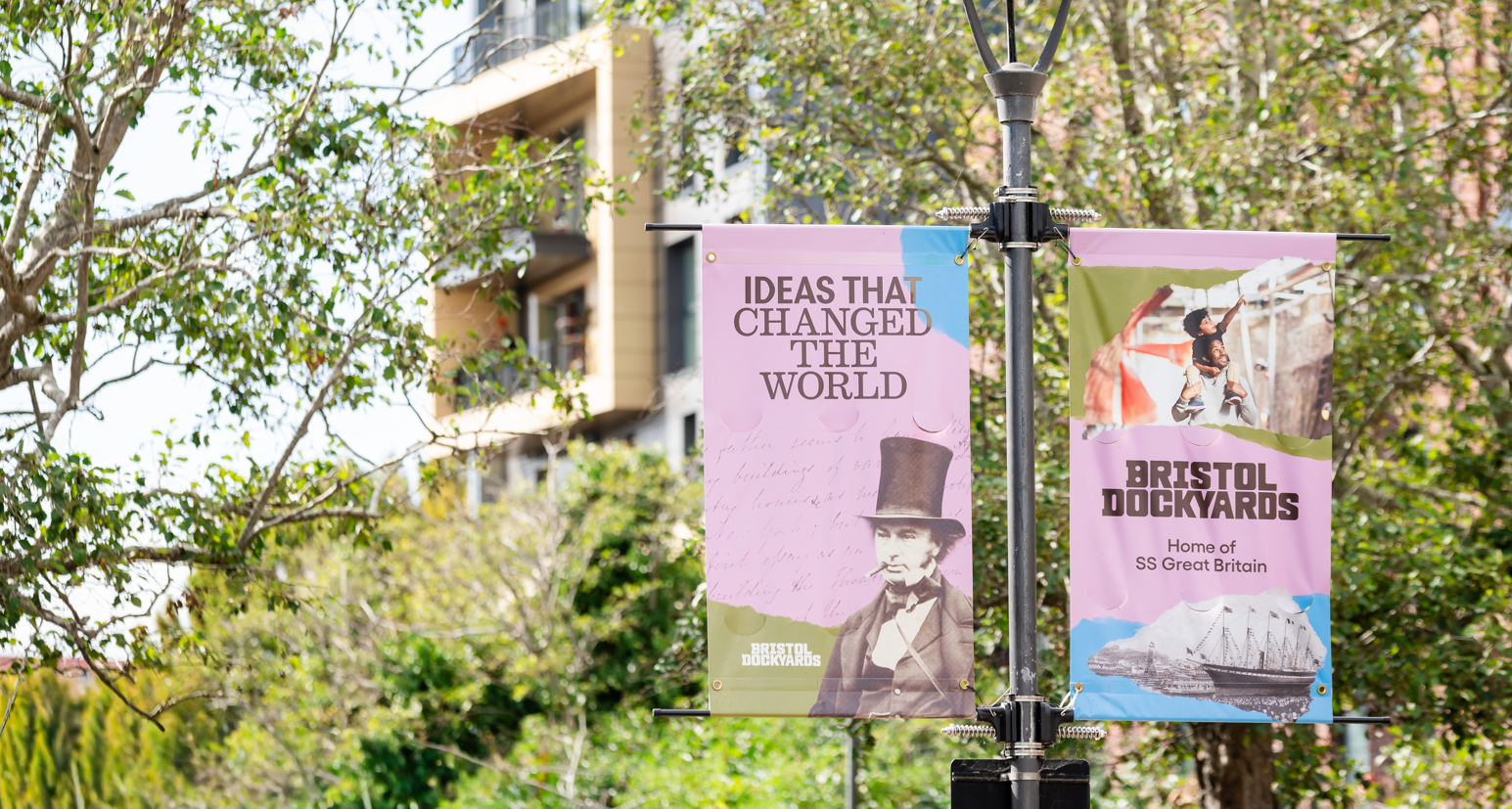
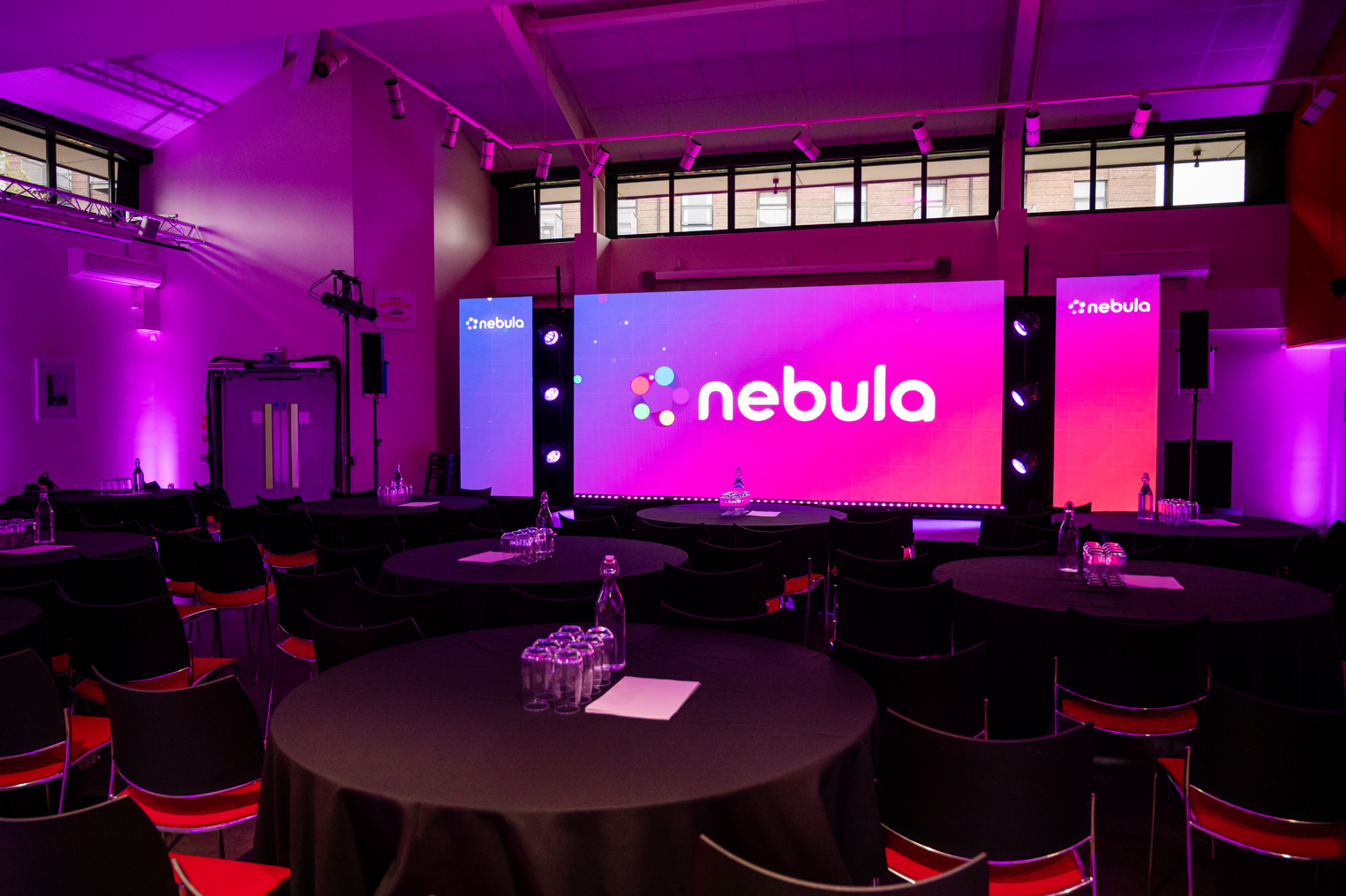
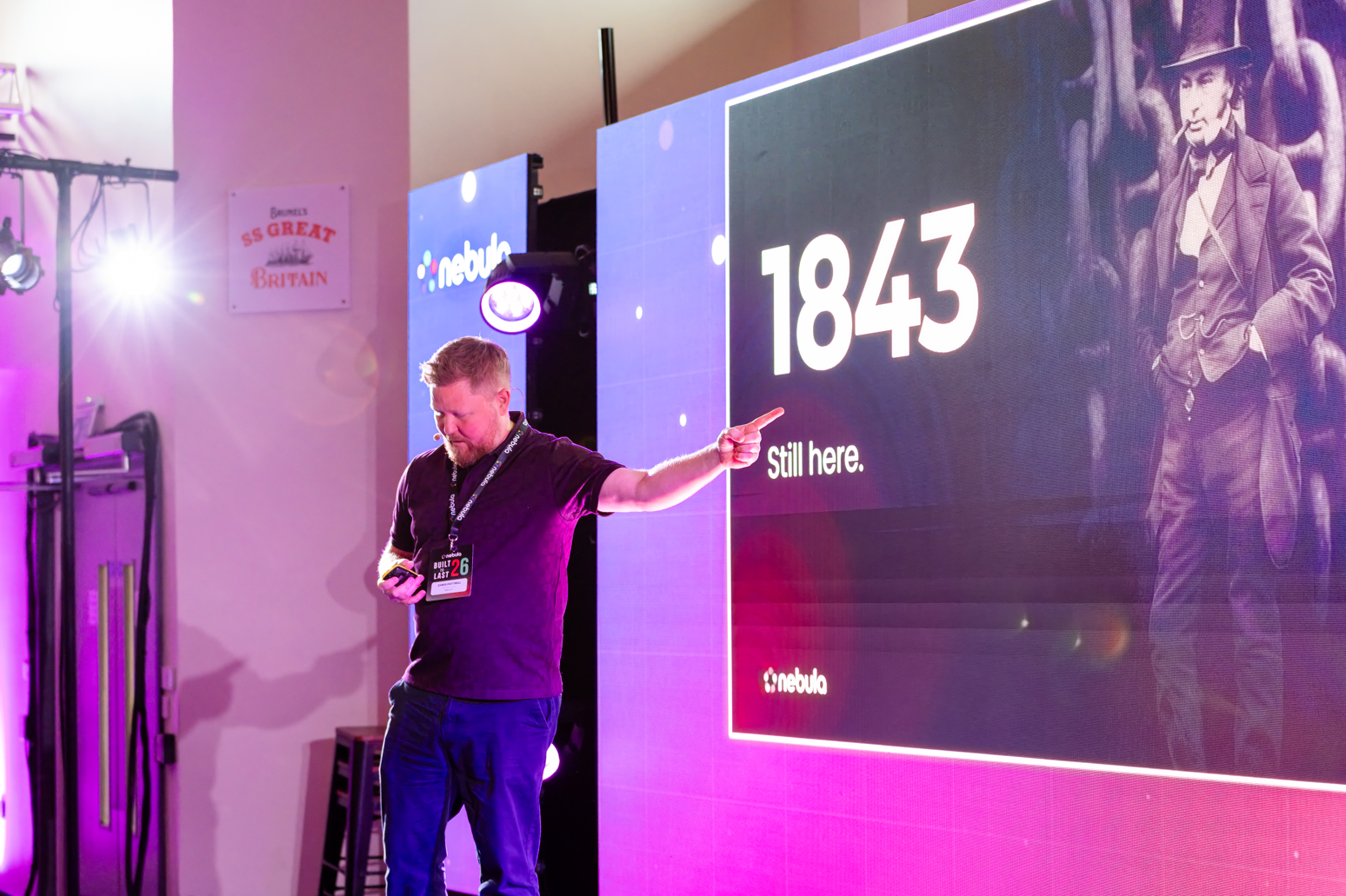
On September 17th 2026, we brought our flagship event to the SS Great Britain in Bristol. Brunel’s ship was a commercial failure before she was abandoned in the Falklands, salvaged, towed 8,000 miles home and restored. Nothing about her story is about avoiding damage. It is about what happens afterwards.
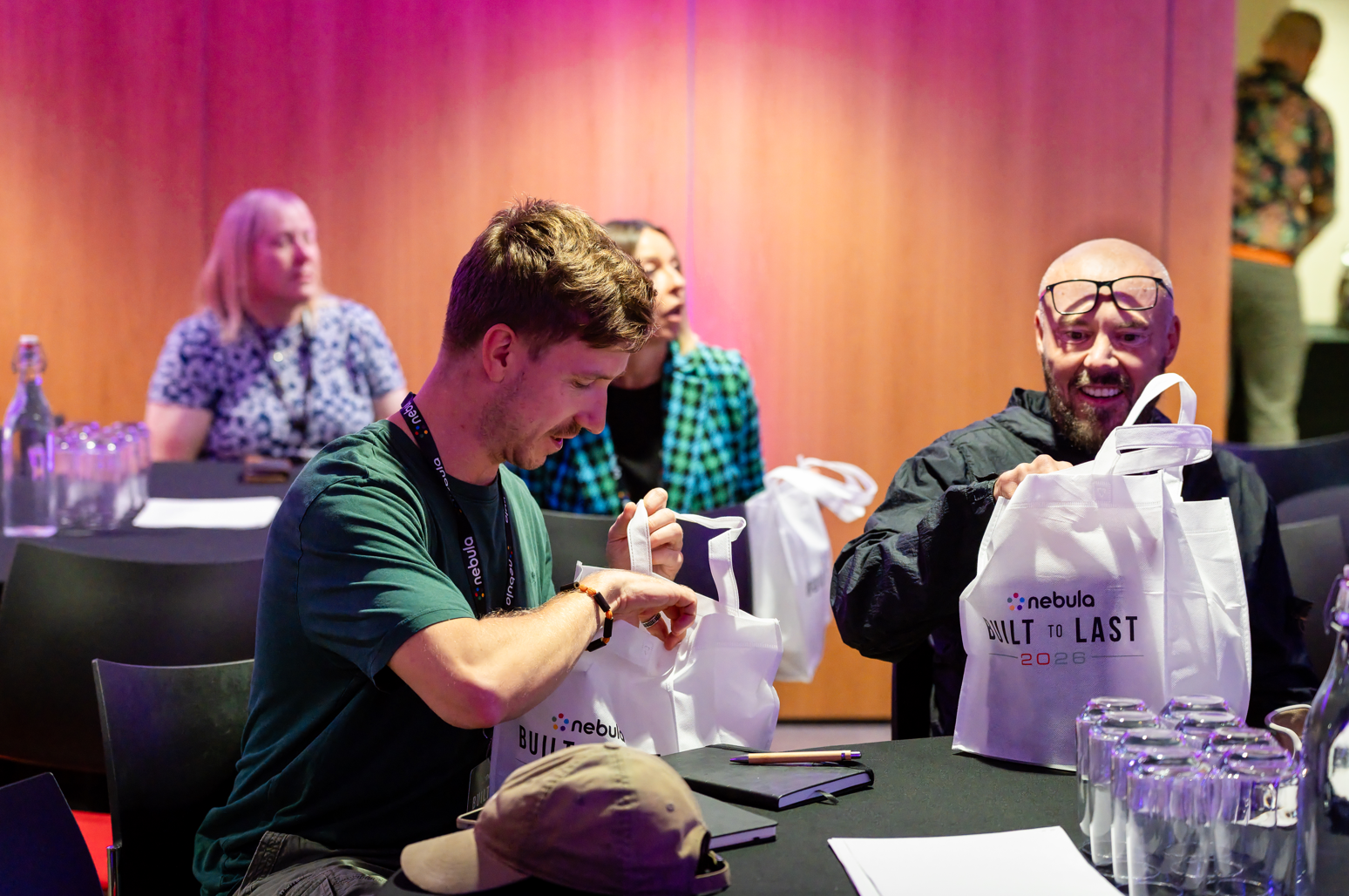
That is the part most businesses have never thought through, and it was the point of the day. We brought together SME leaders, charity directors and defence supply chain businesses to hear a cyber attack described from both ends: by someone who breaks into organisations for a living, and by someone who has lived through being broken into.
What We Covered
The day moved through four themes.
You are not too small to be worth it. Attackers do not pick targets by size. They pick by what is open, and by what an organisation can reach. A small engineering firm holding technical drawings and a login to a larger customer’s portal is not a low-value target, it is a route in. A charity holding supporter records and payment details is not overlooked for being a charity.
The damage is rarely technical. What stays with you from a first-hand account of an attack is not the breach itself, but the ordinary decisions that follow it. Who to call first. What to tell staff arriving for work. When to tell customers, and how much. Those are business decisions, and they get made badly when nobody has thought about them in advance.
A plan is not a capability. Most organisations have an incident response plan. Far fewer know whether it would survive contact with real people under real pressure. The difference comes down to ownership, exercising and validation, which is why the day included a live scenario rather than a talk about one.
Awareness was never the gap. Everyone in the room took security seriously. Several were certified, most had a provider and a policy. What they did not have was a way to know where they actually stood, something more specific than a feeling and more useful than a certificate.
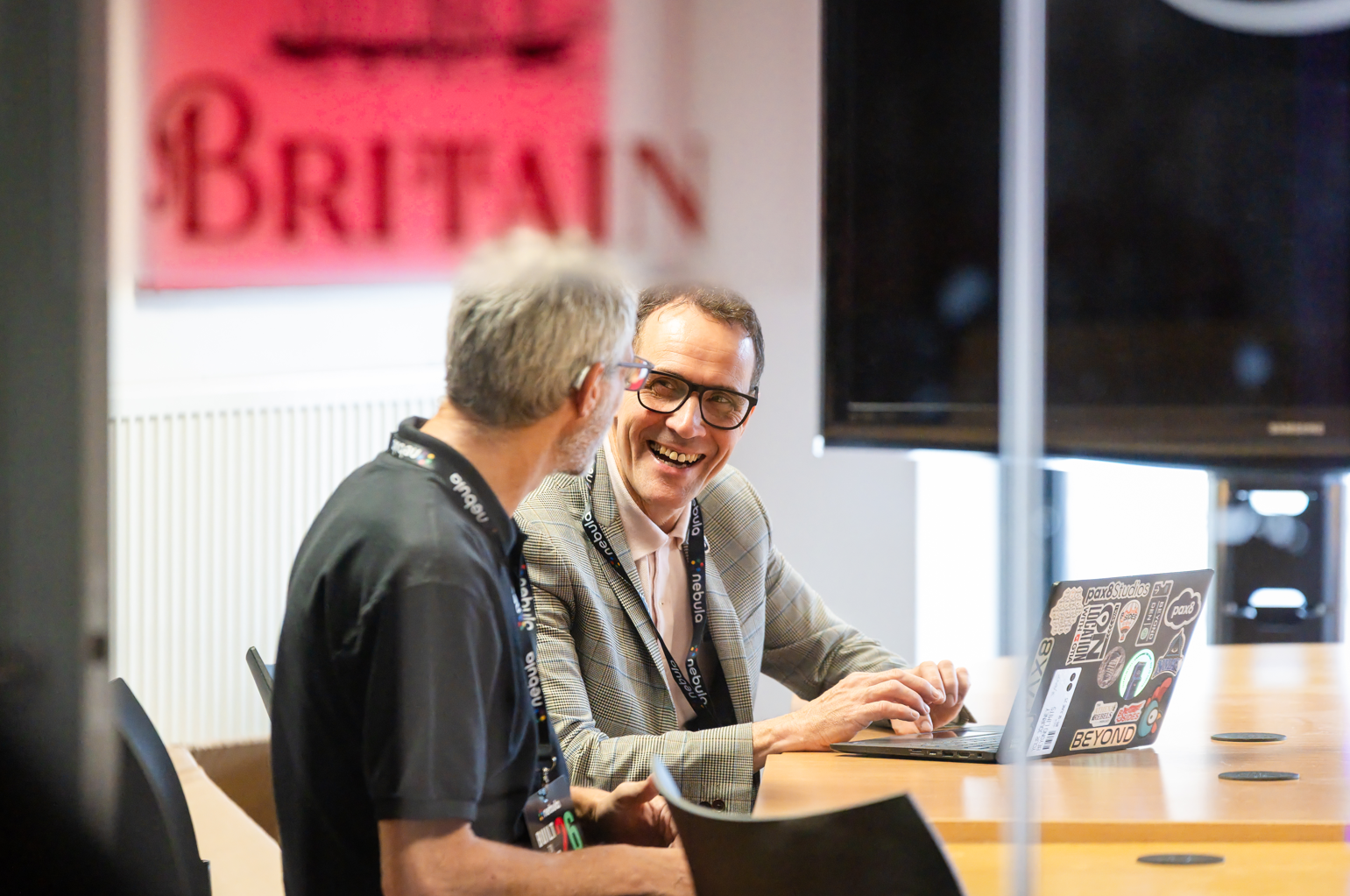
Alongside the sessions, attendees had full access to explore the SS Great Britain.
Our Speakers
We were joined by a lineup spanning offensive security, lived experience and incident response consultancy.
Greg van der Gaast, security strategist and author, was once named one of the world’s five most notorious hackers after breaking into a nuclear weapons facility. He went on to spend years in a covert role for the US Government and later became a CISO. He opened the day by walking the room through how a target actually gets chosen.
A business leader who had been through a major cyber attack shared their experience first-hand: the impact, the aftermath, and what got them through it. It was the quietest part of the day.
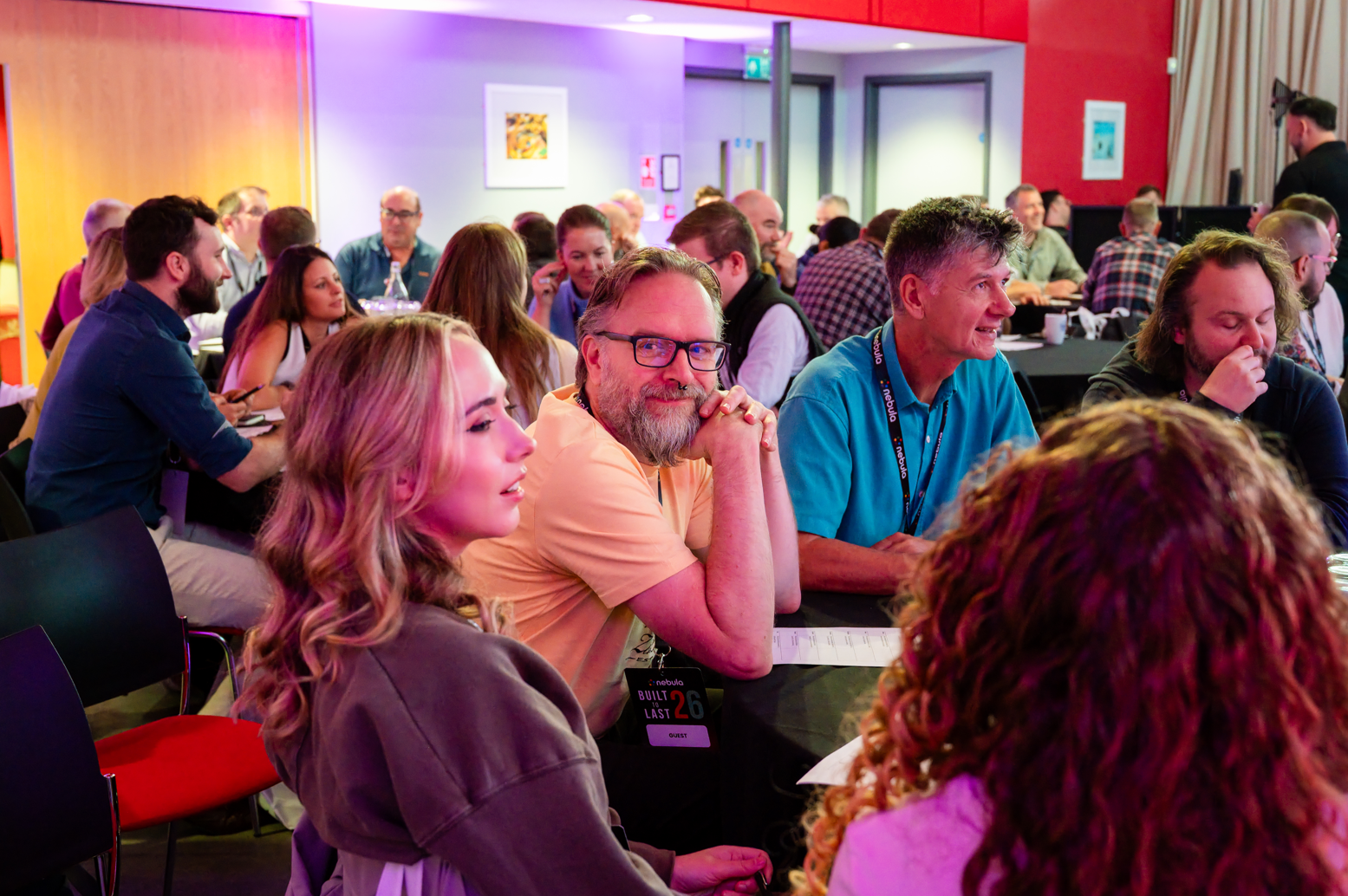
Stuart West ASyI, Senior Consultant, closed the sessions by putting the room into a live cyber incident scenario. Groups made decisions against the clock with nothing to look up, and the same three gaps surfaced every time: no clarity on who has the authority to take systems offline, no plan for what customers and stakeholders get told or when, and no tested idea of how long recovery would actually take.
The day finished with an expert panel and an open Q&A.
What Happens Next
What stood out most was how little of the conversation was technical. The questions people asked were about decisions, responsibility and timing, which is exactly where most organisations find the gaps when something goes wrong.
For everyone who took a cyber resilience assessment on the day, your written gap assessment covers where you stand now, where the weaknesses are, and the practical next steps worth taking first.
Missed It?
You can cover the same ground the room covered, in about five minutes.
Our Cyber Resilience Self-Assessment asks the questions Stuart put to the groups on the day. It is written in plain English, there is nothing to look up, and you do not need to involve your IT provider to answer it.
What comes back is a gap assessment in writing: where you are solid, where you are not, and what to do about it first. Most people’s first three actions cost nothing and take less than a day between them. Put it in front of a board or your trustees instead of “cyber is on the risk register”. Hand your IT provider a defined list instead of “are we secure?”. Retake it in six months and show progress rather than claim it.
Take the Cyber Resilience Self-Assessment →
Built to Last was our flagship event of 2026, but it won’t be our last. Follow us on LinkedIn to hear about what’s next.
Follow Nebula IT on LinkedIn →
Thank you to everyone who joined us aboard the SS Great Britain, and to our speakers. Photography by Laura Power.
Nebula IT is an NCSC Assured managed IT provider supporting SMEs, charities and regulated organisations across Bristol, the South West, and the UK.


